

The Ultimate
Summer Healthy
Diet Guide
What to eat, what to avoid, and how to keep your body energised, cool, and nourished all summer long.
When the mercury climbs, your body faces a unique set of nutritional demands — staying hydrated, managing inflammation, and fueling itself without heavy, heat-generating foods. The right summer diet can be the difference between sluggish, overheated days and a season full of energy.
Summer is one of nature's most generous seasons when it comes to fresh produce. Markets overflow with vibrant fruits and crisp vegetables, and that abundance is no coincidence — these foods are precisely what our bodies need when temperatures soar. This guide breaks down everything you need to know about eating well through the heat.
💧 Why Summer Changes Your Nutritional Needs
In summer, your body sweats significantly more as it tries to regulate temperature. This sweating is vital for cooling, but it also causes rapid loss of water and key electrolytes — including sodium, potassium, and magnesium. These minerals are essential for muscle function, nerve signalling, and fluid balance. When they drop, you feel fatigued, dizzy, and mentally foggy.
Beyond hydration, summer heat accelerates oxidative stress in the body. Prolonged sun exposure and higher core temperatures increase the production of free radicals — unstable molecules that can damage cells and accelerate ageing. This is why antioxidant-rich foods become especially important during the warmer months.
Digestion also slows down in extreme heat. The body redirects blood flow toward the skin to aid cooling, leaving less digestive power available. Heavy, fatty, or spicy meals become harder to process, often leading to bloating, indigestion, and discomfort. Choosing lighter, easily digestible foods gives your gut a much-needed break.
🍉 The Best Foods to Eat in Summer
Nature has a brilliant system — the foods that thrive in summer heat are also the ones most beneficial to our health during that season. Here are the top categories to fill your plate with.
Hydrating Fruits
Watermelon tops every summer food list for good reason. It is composed of over 92% water, making it one of the most hydrating foods available. It also contains lycopene, a powerful antioxidant that protects against sun-induced skin damage, and citrulline, an amino acid that improves circulation.
Mangoes, often called the king of fruits, are loaded with vitamins A and C, both of which support immune function and skin repair. Their natural sugars provide quick energy, making them a perfect mid-afternoon snack to replace energy drinks.
Berries — strawberries, blueberries, raspberries — are small but exceptionally powerful. They are rich in anthocyanins, flavonoids that fight inflammation and protect the brain from heat-related oxidative damage. A handful of mixed berries in the morning sets a strong antioxidant foundation for the day.
Cucumbers and melons are also outstanding choices. Cucumbers contain 96% water and are rich in silica, which supports skin health and joint lubrication. Honeydew melon is packed with Vitamin C and potassium, two nutrients lost heavily in sweat.
Cool Vegetables
Leafy greens such as lettuce, spinach, and mint are excellent for summer. They are low in calories, high in water, and packed with essential minerals. Mint, in particular, has a natural cooling effect thanks to its menthol content — add it to water, salads, or chutney for immediate refreshment.
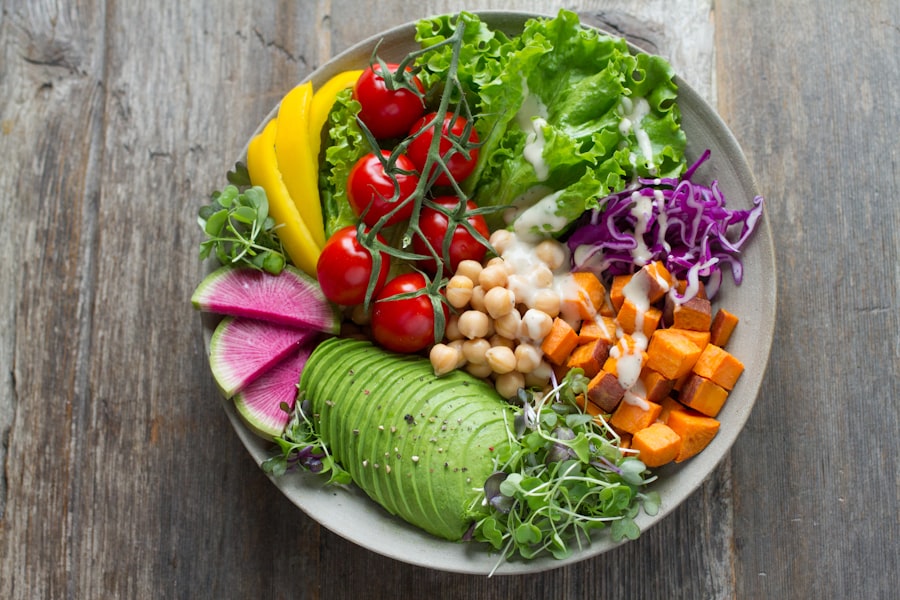
Tomatoes are loaded with lycopene and water content, making them both hydrating and protective. Bell peppers contain three times more Vitamin C than oranges, supporting the immune system and collagen production. Zucchini is another summer star — light, hydrating, and easy on digestion.
Watermelon
92% water, lycopene, citrulline. Ultimate cooling fruit.
Cucumber
96% water, silica, potassium. Refreshes and hydrates skin.
Mango
Vitamins A & C, natural energy, immune booster.
Berries
Antioxidant-rich, anti-inflammatory, brain protective.
Leafy Greens
High water, iron, folate. Light and easily digestible.
Lemon
Alkalising, Vitamin C, electrolyte support.
Best Summer Drinks
Beverages matter enormously in summer. Plain water is your baseline — aim for at least 2.5 to 3.5 litres daily, more if you are active outdoors. But water alone does not replace lost electrolytes. Here are smarter options:
Coconut water is nature's sports drink. It contains natural electrolytes — potassium, magnesium, and sodium — in the perfect ratio to rehydrate the body after sweating. It is low in calories and has a mild, naturally sweet taste. One glass after outdoor activity is tremendously beneficial.
Buttermilk (Lassi) is a time-tested cooling drink in South Asia. It contains probiotics that support gut health, and its slight salt content makes it an ideal post-exercise electrolyte drink. A tall glass of salted buttermilk with a pinch of roasted cumin can replace an entire energy drink.
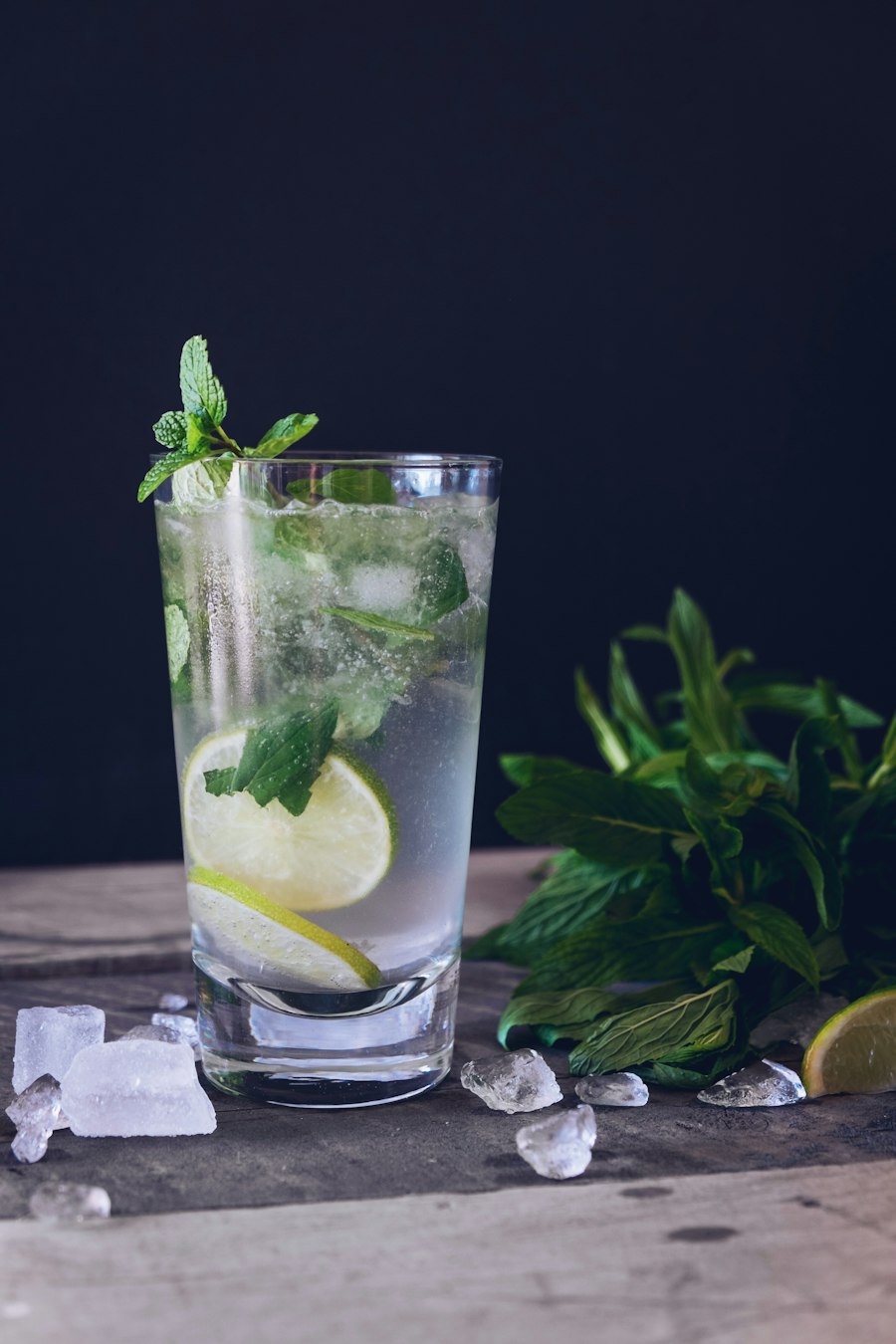
Lemon water with a pinch of salt is simple but highly effective. The lemon provides Vitamin C and helps alkalise the blood, while the salt replenishes sodium. For added cooling, infuse with fresh mint or a slice of cucumber.
Green tea (iced) is rich in catechins — antioxidants that reduce inflammation and support metabolism. Served cold, it is both hydrating and refreshing without the sugar crash of commercial cold drinks.
🧘 Eating Light — The Summer Digestion Principle
One of the key shifts to make in summer is moving toward lighter meals. This does not mean eating less — it means choosing foods that your body can process efficiently without generating excess internal heat.
Protein is still essential, but how you source it matters. In summer, lean proteins like grilled fish, tofu, eggs, lentils, and legumes are preferable to heavy red meat. Fish in particular is packed with omega-3 fatty acids, which reduce inflammation — a real concern in hot weather when the body is already under physiological stress.
Yoghurt is one of summer's best foods. It provides protein, probiotics for gut health, calcium, and a cooling effect when eaten plain or used as a base for dips and sauces. Greek yoghurt with fruit and honey makes a perfect breakfast that is light yet filling.
Eat like the season — light, colourful, and close to nature.
Whole grains such as quinoa, brown rice, and oats provide sustained energy without heavy glycaemic spikes. They digest slowly, keeping you fuller longer and preventing the irritability that comes from blood sugar crashes on hot afternoons.
🗓️ A 3-Day Summer Meal Plan
Putting theory into practice, here is a simple, realistic three-day summer meal plan designed for an average active adult. It prioritises hydration, light digestion, and nutrient density.
| Day | Breakfast | Lunch | Dinner | Snacks |
|---|---|---|---|---|
| Day 1 | Greek yoghurt + berries + honey | Grilled chicken salad with cucumber, tomato, lemon dressing | Steamed fish + quinoa + stir-fried zucchini | Watermelon slices, coconut water |
| Day 2 | Smoothie: mango + spinach + coconut water | Lentil soup + brown rice + side salad | Tofu stir-fry with bell peppers + noodles | Cucumber sticks, buttermilk |
| Day 3 | Oats with banana, flaxseed, almond milk | Chickpea & avocado wrap with mint chutney | Baked salmon + sweet potato + leafy greens | Mixed berries, iced green tea |
☀️ Foods That Protect Against Heat Stroke
Heat stroke is a serious medical emergency, but the right diet significantly lowers your risk. Beyond hydration, certain foods specifically help your body regulate temperature and protect internal organs.
Onions have long been used in traditional medicine to prevent sunstroke. They contain quercetin, a potent antioxidant and anti-inflammatory compound that protects against oxidative damage from heat. Raw onion in salads or chutneys is a common and effective summer dietary practice.
Tamarind is rich in electrolytes, vitamins C and B, and natural antioxidants. A cold tamarind drink or soup consumed in the afternoon helps cool the core body temperature. Similarly, fennel seeds (saunf) steeped in cold water overnight create a natural cooling drink that eases digestive discomfort in heat.
Amla (Indian gooseberry) is extraordinarily rich in Vitamin C — far more than citrus. It strengthens immunity, supports liver function, and its cooling properties have been recognised in Ayurvedic medicine for centuries. Fresh amla juice or amla candy is one of the simplest summer health boosters.
⚡ Nutrients You Need Most in Summer
While a balanced diet covers most bases, summer specifically depletes certain nutrients faster than others. Make a conscious effort to ensure adequate intake of the following:
Potassium — lost heavily through sweat, critical for muscle and heart function. Sources: bananas, potatoes, spinach, avocado, coconut water.
Magnesium — regulates body temperature, muscle recovery, and sleep quality. Sources: leafy greens, nuts, seeds, whole grains, dark chocolate.
Vitamin C — repairs sun-damaged skin cells, supports adrenal function (which takes a hit under heat stress), and boosts immunity. Sources: bell peppers, citrus fruits, strawberries, amla.
Vitamin D — ironically, despite more sun exposure, many people are deficient in Vitamin D because they protect their skin from UV rays. Sources: fortified dairy, eggs, fatty fish, short unprotected sun exposure in the morning.
Zinc — supports wound healing (sunburns are wounds), immune function, and skin repair. Sources: pumpkin seeds, chickpeas, lentils, cashews.
🌙 Summer Night Eating Tips
Hot nights disrupt sleep, and poor sleep disrupts metabolism — creating a cycle that undermines health. Your evening diet can help break this cycle.
Avoid heavy carbohydrates or protein-dense meals within two hours of bed. These require significant digestive effort and generate internal heat, making it harder for your core temperature to drop — a necessary step for quality sleep. Instead, opt for a small bowl of yoghurt with honey, a banana with almond butter, or a light herbal tea with chamomile.
Tart cherry juice is one of the most evidence-backed sleep aids in nutrition — it contains natural melatonin and has been shown in multiple studies to improve both sleep duration and quality. A small glass before bed is an excellent summer habit.
The Summer Diet Mindset
Eating well in summer does not require complex meal preps or expensive supplements. Nature provides everything you need in abundance during the season — water-dense fruits, cooling herbs, light proteins, and refreshing drinks. The shift is about listening to your body, choosing produce that is in season, and respecting the fact that your metabolism and digestion operate differently in the heat.
Start small: add one extra glass of water each morning, replace an afternoon snack with fresh fruit, and swap a heavy dinner for a lighter grain bowl twice a week. These small, consistent changes compound into significant improvements in energy, mood, skin health, and resilience to heat.
Summer is not a season to endure — it is a season to thrive in. And your diet is the most powerful tool you have to make that happen. 🌞



0 Comments